Discovering the Diverse Uses and Keys In of Rubber Keypads in the Innovation Landscape Today
Rubber keypads have established themselves as essential elements in numerous technological applications. Their adaptability makes them ideal for customer electronic devices, industrial devices, and clinical tools. As these keypads remain to progress, brand-new personalization choices and style trends emerge. This motivates a better evaluation of their benefits and manufacturing processes. Recognizing these components may expose why rubber keypads continue to be a favored option in the modern technology landscape. What exists in advance for this functional component?
Overview of Rubber Keypads
Rubber keypads offer as an essential element in different digital devices, offering a tactile interface for user interaction. These keypads are commonly made from silicone or rubber materials, which provide flexibility and sturdiness. Their style frequently integrates increased icons or letters, improving use by allowing customers to feel the tricks - Rubber Keypads. Rubber keypads are resistant to dirt, moisture, and use, making them suitable for requiring atmospheres
Furthermore, they can be tailored pertaining to color, form, and dimension, permitting manufacturers to develop one-of-a-kind interfaces customized to details items. The manufacturing process often includes methods such as molding and printing, guaranteeing premium result. Because of this, rubber keypads not only improve capability however additionally contribute to the overall visual appeals of the gadget. With these features, rubber keypads remain a preferred option for both consumers and producers, stressing their relevance in the modern technology landscape.
Usual Applications in Customer Electronics
While many electronic gadgets depend on touchscreens for user interaction, rubber keypads proceed to play an important role in consumer electronics. These keypads are widely used in devices such as remotes, video gaming controllers, and household home appliances, where responsive comments boosts individual experience. Their sturdiness and resistance to use make them perfect for devices often subjected to heavy use.
Rubber keypads are also prominent in portable gizmos and mobile phones, where portable layouts require responsive and reliable input methods. The capacity to tailor the shape and appearance of rubber keypads permits manufacturers to produce special styles that appeal to customers. Furthermore, the soft touch of rubber provides convenience throughout extended usage, making these keypads a preferred option for devices calling for extended interaction. On the whole, rubber keypads continue to be an important component in the customer electronic devices landscape, integrating functionality with easy to use features.
Duty in Industrial and Medical Devices
Rubber keypads play an essential function in both commercial and medical tools, providing durability and integrity in requiring settings. In commercial settings, they are commonly utilized in control panels and equipment, improving operator communication with complicated systems. In a similar way, in the clinical field, rubber keypads promote user-friendly interfaces for tools that require precision and hygiene.
Industrial Devices Applications
Keypads play a crucial function in the capability and individual experience of clinical and commercial equipment. In commercial setups, rubber keypads offer a robust interface for equipment and control systems, allowing operators to easily input commands and readjust setups. Their resistance to dust, dampness, and chemicals guarantees integrity under extreme conditions regular of manufacturing facilities and making plants. Additionally, the tactile comments used by rubber keypads improves customer interaction, lowering the likelihood of input mistakes. In enhancement to typical equipment, these keypads are important in automated robotics and systems, where precision is extremely important. The convenience of rubber keypads in numerous industrial applications highlights their importance in improving operational performance and guaranteeing safety in complicated settings.
Medical Gadget Assimilation
As clinical devices significantly need straightforward interfaces, the integration of rubber keypads has actually ended up being crucial in guaranteeing effective communication between medical care specialists and tools. These keypads offer tactile feedback, assisting in instinctive procedure also in high-pressure settings. Their toughness and resistance to severe cleaner make them optimal for clinical setups, where hygiene and durability are vital. Furthermore, rubber keypads can be tailored to consist of numerous shapes, dimensions, and shades, boosting visual acknowledgment and accessibility for customers. This adaptability enables the development of specialized controls customized to specific clinical functions, enhancing general performance. As a result, the duty of rubber keypads in clinical gadget integration not just enhances capability yet additionally advertises patient safety and functional dependability in medical care environments.
Customization Options and Layout Trends
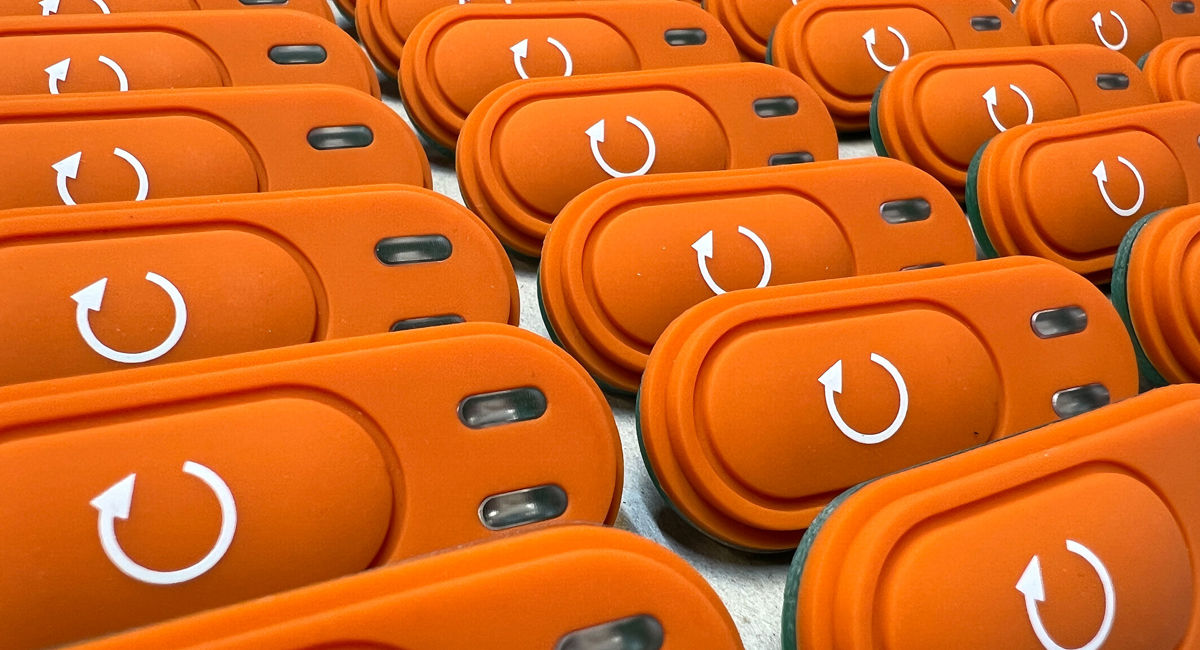
Current design trends emphasize minimalism and functional designs, focusing on individual convenience and intuitive interaction. Custom-made logos and branding can be incorporated into keypads, permitting companies to keep a cohesive brand name identification across their items. Furthermore, innovations in producing strategies, such as silicone molding, have actually made it easier to achieve detailed designs and personalized layouts.
Advantages of Rubber Keypads Over Various Other Types
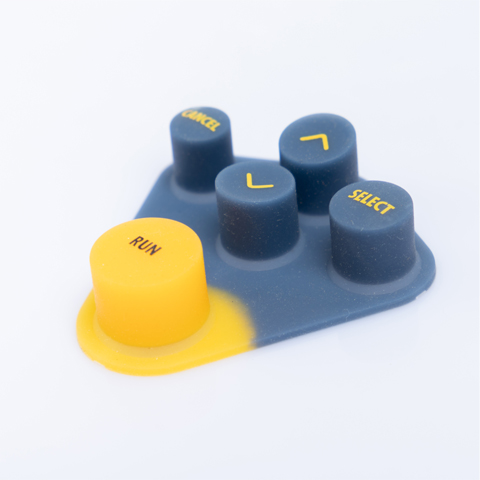
Rubber keypads are likewise recognized for their longevity and resistance to environmental factors. They can endure dust, wetness, and temperature variations, making them perfect for industrial or exterior setups. Furthermore, rubber keypads are usually quieter than their plastic or metal counterparts, decreasing sound pollution in shared environments.
In addition, the cost-effectiveness of rubber keypads makes them an eye-catching choice for producers. Their lightweight nature adds to lower shipping costs, while their adjustable designs accommodate particular branding requirements. Generally, rubber keypads stand for a dependable and versatile option in the technology landscape.
Manufacturing Techniques for High Quality and Toughness
In the manufacturing of rubber keypads, the choice of suitable products and molding procedures plays a crucial duty in establishing overall high quality and sturdiness. Various molding strategies, such as compression and injection molding, significantly affect the end product's efficiency. Comprehending these elements is necessary for achieving ideal lead to rubber keypad production.
Molding Procedures Explained
A selection of molding procedures play an important duty in the production of rubber keypads, making sure both high quality and longevity. The most common methods consist of compression molding, transfer molding, and shot molding. Compression molding includes positioning rubber in a heated mold and mildew, where warmth and pressure form it right into the preferred form. Transfer molding enables even more precise control over product circulation and appropriates for complicated layouts this content (Rubber Keypads). Injection molding, recognized for its rate and performance, injects molten rubber into a mold and mildew under high stress, creating high-volume get rid of regular top quality. Each technique uses distinct benefits, influencing variables such as production expense, speed, and style adaptability, ultimately affecting the efficiency and life expectancy of rubber keypads in numerous applications
Product Option Value
Product choice plays a vital role in the production of rubber keypads, straight influencing their efficiency and sturdiness. The selection of rubber substances, such as silicone or polyurethane, influences responsive feedback, resistance to use, and environmental toughness. Top notch materials guarantee that keypads can endure extensive use, preserving their functionality with time. Additionally, the solution of rubber influences its resistance to temperature level changes and exposure to chemicals, which are essential for tools in different settings. Utilizing advanced manufacturing methods, such as compression or shot molding, additional improves the architectural honesty of keypads. Ultimately, mindful material selection and manufacturing procedures add considerably to the overall top quality, durability, and user contentment of rubber keypads in today's technology landscape.
Future Fads in Rubber Keypad Technology
As modern technology continues to advance, the future of rubber keypad advancement shows up promising, with innovations poised to enhance capability and customer experience. One notable pattern is the integration of touch-sensitive innovation, enabling capacitive responses that mimics the feeling of traditional switches while supplying improved responsiveness. In addition, the development visit of antimicrobial materials is most likely to gain traction, resolving health issues in public and common devices.
Modification choices are anticipated to expand, enabling individuals to customize essential designs and tactile responses, therefore catering to varied needs. The consolidation of wise technology, such as connection features, might also arise, enabling rubber keypads to communicate with various other gadgets seamlessly. As manufacturers concentrate on sustainability, environmentally friendly products are anticipated to become more common, straightening with global environmental objectives. On the whole, these patterns promise to revolutionize rubber keypads, making them extra versatile, easy to use, and eco conscious in the modern technology landscape.
Regularly Asked Questions
Just How Do Rubber Keypads Contrast in Expense to Other Keypad Types?
Rubber keypads generally use an affordable solution contrasted to various other keypad types, such as membrane or mechanical alternatives. Their reduced manufacturing expenditures and sturdiness make them an eye-catching selection for various applications in innovation.
What Are the Environmental Impacts of Rubber Keypad Production?

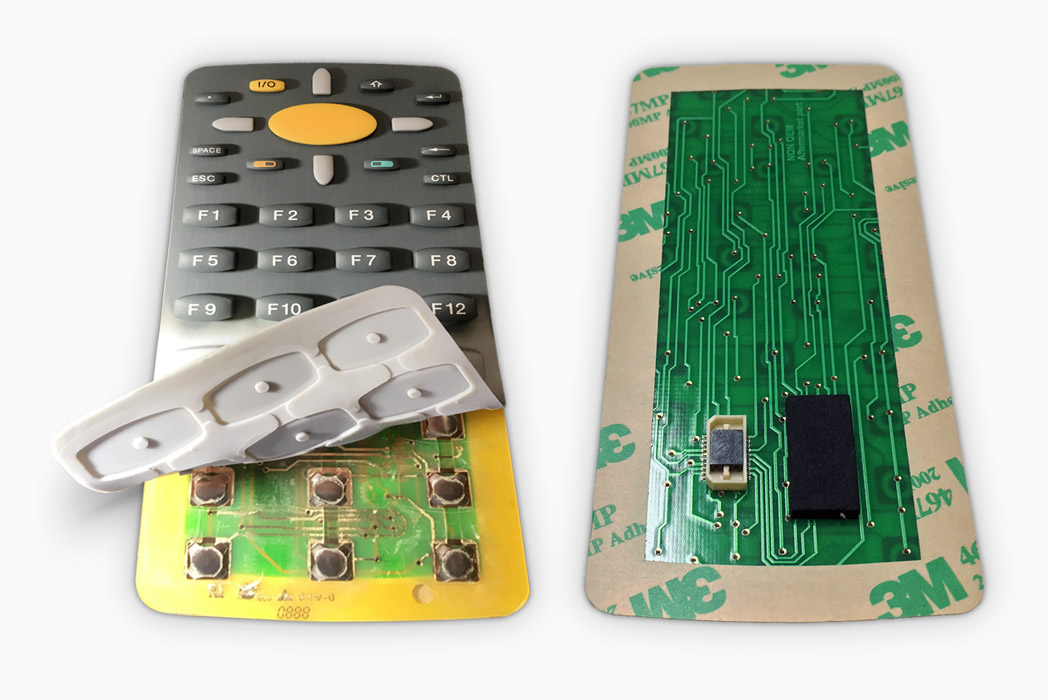
The ecological effects of rubber keypad manufacturing include resource depletion, energy intake, and contamination from producing procedures. In addition, improper disposal can lead to plastic waste, contributing to ecological degradation and harming environments if not taken care of sensibly.
Can Rubber Keypads Be Utilized Outdoors?
Rubber keypads can be used outdoors due to their longevity and resistance to weather aspects. Nevertheless, their long life may depend on the top quality of products utilized and the details environmental conditions they are subjected to.
What Maintenance Is Required for Rubber Keypads?
Rubber keypads call for routine cleansing to get rid of dirt and debris, routine evaluation for deterioration, and defense from severe temperature levels. Ensuring proper storage space conditions can prolong their lifespan and maintain performance in time.
How Do Rubber Keypads Perform in Extreme Temperatures?
Rubber keypads commonly maintain performance in extreme temperature levels, showing durability to both warm and cold. Nonetheless, long term direct exposure might trigger product degradation, influencing their tactile feedback and general performance in rough atmospheres.
Rubber keypads serve as a basic component in various electronic tools, using a responsive interface for customer interaction. While numerous electronic devices rely on touchscreens for user communication, rubber keypads continue to play a necessary role in customer electronic devices. Additionally, the soft touch of rubber offers comfort during long term use, making these keypads a recommended selection for tools calling for prolonged communication. Despite the growing variety of keypad materials available, rubber keypads use unique advantages that make them a recommended option in several applications. Rubber keypads normally offer a cost-efficient service contrasted to other keypad kinds, such as membrane layer or mechanical alternatives.